Very delicious sushi! Most of the sushi could be prepared very quickly! Most of the sushi could skip the wasabi and change the size of rice! Excellent service! Highly recommend!
Overview
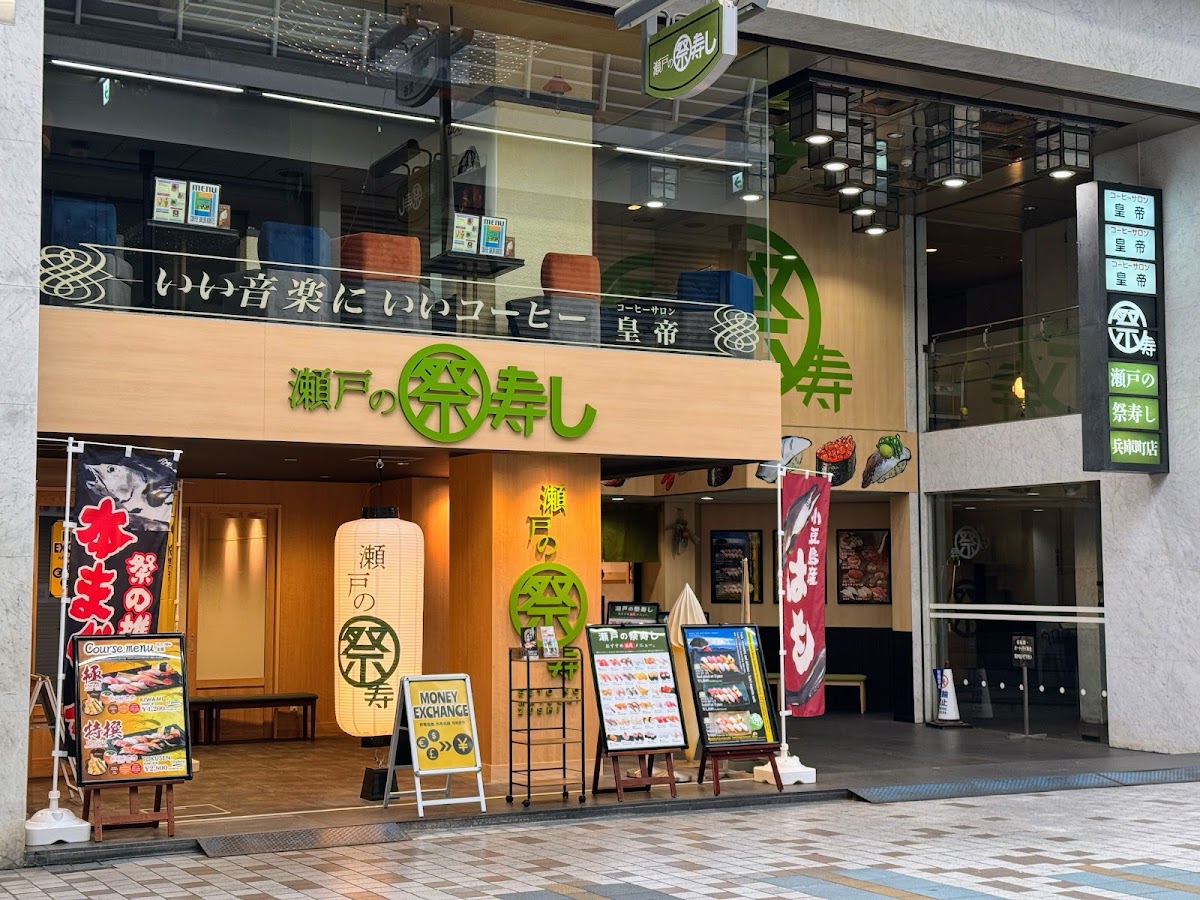
Walking into Setonomatsurizushi Hyogomachi feels like stepping into the everyday rhythm of Takamatsu rather than a staged dining experience. The restaurant sits at Additional 11-5 Hyogomachi, Takamatsu, Kagawa 760-0024, Japan, right in a busy shopping street where locals pop in between errands. I first ate here on a weekday afternoon after a long walk around the port, and what stood out immediately was how relaxed everything felt. No rush, no pretension, just a steady flow of regulars who clearly knew exactly what they wanted from the menu.
The menu leans heavily into sushi and classic Japanese diner staples, with a strong focus on fish from the Seto Inland Sea. That matters more than it sounds. According to Japan’s Ministry of Agriculture, Forestry and Fisheries, seafood from this region is prized for its clean waters and balanced salinity, which directly affects texture and flavor. You can taste that difference here. The nigiri has a softness that comes from properly handled rice and fish that hasn’t been overworked. I watched the chefs prep orders right at the counter, using a method that emphasizes minimal handling, something sushi experts like Jiro Ono have long stressed as essential to preserving freshness.
One visit, I ordered a mixed sushi plate that included sea bream, shrimp, and mackerel, along with miso soup. The rice temperature was spot-on, slightly warm, which helps release aroma, a technique widely discussed in culinary research published by the Tokyo University of Marine Science and Technology. This is not experimental dining, but it is informed by generations of practice. A server casually mentioned that their suppliers deliver fish daily, and while there’s no flashy display of sourcing, that daily rhythm shows up in consistency, something many restaurant reviews highlight.
What also makes this place work is its role as a neighborhood diner. Office workers stop by for quick lunches, families come in for early dinners, and solo diners feel completely at ease at the counter. One local I chatted with called it a hidden classic, and that phrase stuck with me. Reviews online often mention value for money, and I agree. Portions are generous without being wasteful, aligning with Japan’s broader push to reduce food waste, a topic the United Nations Environment Programme has praised the country for addressing seriously.
The location is another quiet advantage. Being in Hyogomachi means it’s easy to combine a meal here with shopping or sightseeing. It’s not a destination restaurant in the dramatic sense, but that’s part of its charm. You don’t plan your entire day around it; you let it fit naturally into your day. That practicality builds trust. There’s no attempt to oversell the experience, and expectations are met honestly.
Of course, there are limits. If you’re looking for rare seasonal cuts or a long omakase course, this might not be your spot. The focus is consistency, speed, and quality within a familiar framework. For travelers wanting a reliable taste of everyday Japanese sushi culture, though, it delivers exactly that. The combination of straightforward methods, regional seafood, and a loyal local crowd creates a dining experience that feels genuine rather than curated, which is increasingly rare and quietly reassuring.
Good to know
Service options
✓ Takeaway ✓ Dine-in ✓ DeliveryPopular for
✓ Lunch ✓ Dinner ✓ Solo diningAccessibility
✓ Wheelchair-accessible car parkOfferings
✓ Alcohol ✓ Beer ✓ Quick bite ✓ Small platesDining options
✓ Brunch ✓ Lunch ✓ Dinner ✓ Dessert ✓ Table serviceAmenities
✓ ToiletChildren
✓ Good for kidsParking
✓ Paid parking lotPhotos
1 / 4
Location
Reviews
- No ratings yet 794 reviews
I have been to here twice, the cheapest dish here is 110yen! They offer not only sushi and sashimi but also kinds of drinks and desserts You can make your order through ipad, they start to make the orders once they receive the orders from you! The environment is clean and neat , the staffs are friendly and always wear a smile! For sushi, i recommend shrimps one and for dessert i recommend the almond one, it incredibly delicious
Thought it was a sushi train restaurant but nothing is on the rail. You just order it with the tablet. Reasonable price with lots of dishes. The food was alright.
Quality wise it wasn't the best sushi I've had, but for the price it can't be beat! Service is fast and they even still have a 100 yen menu. Definitely recommend you try this place out if you wanna to have decent quality without breaking the bank
Top sushi spot within easy walking distance of the station and island ferries. More than adequate range of sushi to order from iPads. Very fresh and reasonably priced.
I visited on the first day of my trip. lt was nice to be able to choose one dish at a time. and the overall taste is good. A bit salty but not bad. willing to recommend.
Good quality-price ratio. The salmon, tuna, eel, and puffer fish were really good. English menu available. Recommended
The Mog Champ sends his regards. I was feeling for some kaiten sushi and this was a decent-looking place I found in Hyogomachi! It was peak dinner time so I waited around 10 mins, which wasn't that bad since I was a solo eater. Good quality sushi train and fast service, clean and bright interiors! This was a good first dinner in Takamatsu and I'm glad I came here to have some nice sushi. Thank you for dinner that night Setonomatsurizushi! Mogliest Regards, Your Mog Champ